Recent Blog Posts
Powersport Vehicle Services
Lincoln, NE
Timely, Reliable Service
Estimates Available within 2 Business Days
Veteran Discounts
Hours:
Request Lorem Epsom
Hero Request Form
Thank you for contacting us.
We will get back to you as soon as possible.
Please try again later.
Powersport Vehicle Services
Lincoln, NE
Timely, Reliable Service
Estimates Available within 2 Business Days
Veteran Discounts
Hours:
Request Lorem Epsom
Hero Request Form
Thank you for contacting us.
We will get back to you as soon as possible.
Please try again later.
Boost Your Powersport Experience with Professional Vehicle Services
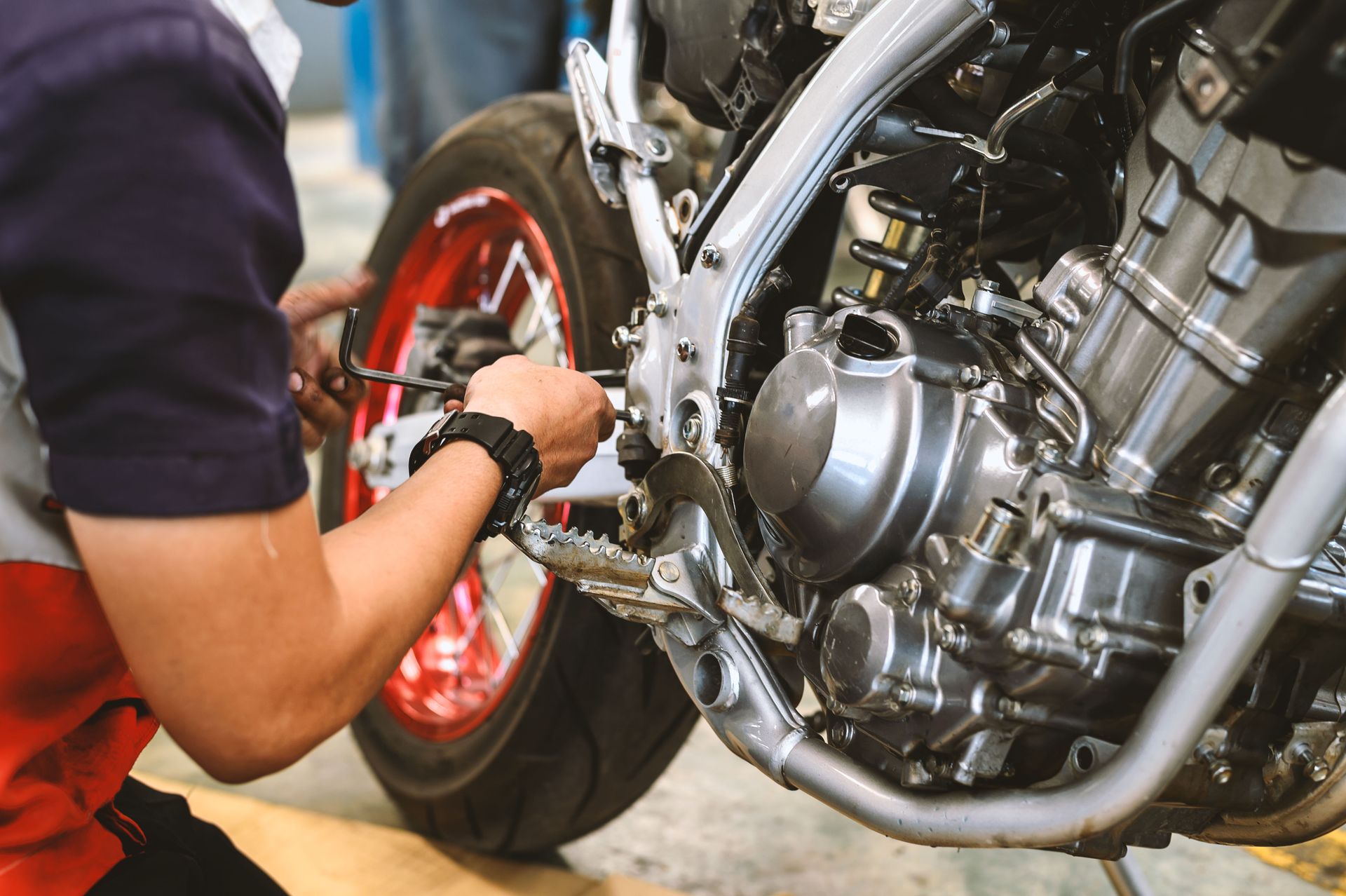
Professional maintenance keeps your motor scooters and other powersport vehicles running smoothly. Our complete services cover all maintenance and repair needs for motorcycles, ATVs, UTVs, and scooters. HVCcycle delivers specialized care with careful attention to detail and precise technical work. By utilizing advanced diagnostic tools and genuine parts, we ensure your machine remains reliable on every trail or highway. If you are looking for the most dependable motorcycle repair in Lincoln, NE, our shop provides the expertise required to keep you riding safely.
Comprehensive powersport services we offer include:
- Engine diagnostics and repairs
- Transmission service
- Brake system maintenance
- Suspension tuning and repairs
- Electrical system troubleshooting
- Performance upgrades
- Tire mounting and balancing
- Routine maintenance
- Pre-season inspections
- Oil and fluid changes
- Carburetor cleaning and adjustment
- Fuel system service
- Chain maintenance
Keep your powersport adventures going strong with proper mechanical care.
Reach out to us for professional service that maintains your vehicles' best performance.
Specialized Track and Trail Readiness
Beyond standard mechanical work, we focus on the specific demands of off-road and competitive riding. Whether you are prepping a trials bike for a weekend event or getting your UTV ready for farm work, our adjustments cater to your specific environment. When riders need expert motorcycle repair in Lincoln, NE, they choose us because we understand the grit and stress these vehicles endure.
Maintaining Peak Performance for Your Powersport Vehicles
Regular professional service extends the life of your powersport vehicles and ensures they work well when you need them most. Many owners only realize how important routine maintenance is after facing unexpected breakdowns or performance problems. Our preventative approach identifies small leaks or worn bushings before they lead to a complete mechanical failure during a trip.
Benefits of consistent maintenance include:
- Preventing expensive repairs through regular upkeep
- Ensuring better fuel efficiency
- Maintaining proper handling and safety
- Meeting manufacturer requirements
- Preserving resale value
- Catching issues early
- Keeping warranty valid
- Preparing vehicles for seasonal use
- Addressing wear unique to powersport vehicles
Motor scooters and other powersport vehicles need special knowledge and tools for proper care. Our technicians understand exactly what motorcycles, ATVs, UTVs, and scooters require, providing service that regular auto shops simply cannot offer. This specialized focus makes us the premier destination for motorcycle repair in Lincoln, NE.
Winterization and Storage Solutions
Nebraska winters can be harsh on fuel systems and batteries, leading to frustration when spring arrives. We offer comprehensive winterization packages that include fuel stabilization, battery tending, and coolant checks to prevent freezing damage. Choosing HVCcycle for motorcycle repair in Lincoln, NE ensures that your vehicle is stored correctly and ready to roar back to life the moment the weather clears.
Why Choose HVCcycle
HVCcycle stands out through our commitment to quality and customer satisfaction. As a local, veteran-owned business established in 2004, we bring decades of combined experience to every service we provide. Here's what sets us apart:
- Quick service with minimal downtime
- Locally owned business supporting our community
- Veteran-owned and operated
- Authorized Genuine Scooter Company dealer
- Official TRS Motorcycles dealer
- EM Hometown UTV/ATV shop
- Quality care for every vehicle
- Personalized service plans
- Estimates available within 2 business days
- Special discounts for veterans
- Competitive rates on motorcycle tires
- Midwest Trials Association member
- Factory-trained service technicians
- Over 50 years of combined experience
- English spoken
- Limited services for electric stand-up scooters
Our technicians receive ongoing training to stay updated with the latest powersport technology and repair methods. When you bring your vehicle to HVCcycle, you're trusting it to professionals who truly care about their work quality and your satisfaction. For those seeking top-tier
motorcycle repair in Lincoln, NE, our credentials and decades of experience speak for themselves.
Advanced Diagnostic Technology
In the modern era of powersports, many vehicles feature complex Electronic Control Units (ECUs) and sensor arrays that require more than just a wrench to fix. Our shop invests in the latest computerized diagnostic equipment to communicate directly with your vehicle's onboard systems, allowing us to pinpoint hidden electrical faults or mapping issues instantly. Because we utilize the same high-level technology found in major dealerships, we have become the go-to destination for motorcycle repair in Lincoln, NE. This precision eliminates guesswork, saving you money on labor and ensuring the job is done right the first time.
Custom Performance and Suspension Tuning
We don't just fix bikes; we make them better by tailoring the ride to your weight and riding style. Our suspension tuning can transform a stiff, uncomfortable ride into a plush, responsive experience that improves traction and control. This level of customization is a hallmark of our motorcycle repair in Lincoln, NE, allowing riders to push their limits with confidence.
Genuine Parts and Specialized Tooling
Performance and safety depend heavily on the quality of the components installed during service. We prioritize the use of OEM (Original Equipment Manufacturer) parts and high-grade lubricants to ensure your vehicle operates exactly as the engineers intended. By utilizing professional-grade specialized tools for every motorcycle repair in Lincoln, NE, we prevent the stripped bolts and damaged casings often caused by generic equipment. This commitment to using the right parts for the right machine is what keeps our customers returning year after year.
Contact Us
Your motor scooter or powersport vehicle is both a valuable investment and a source of joy. Protect that investment with professional service from technicians who understand what your machine needs. At HVCcycle, we care for every vehicle as if it were our own, with careful attention to detail and quality workmanship. We invite you to visit our shop and see why we are the leaders in motorcycle repair in Lincoln, NE.
Give your valuable powersport vehicle the care it deserves.Contact us today to schedule your service appointment and experience the HVCcycle difference.
Veterans Ride with Pride
Exclusive discount for our military heroes. Save 5% on any scooter purchase or service at HVCcycle as our way of saying thank you for your service.
Not valid with any other offers or promotions. Restrictions apply.
Must mention this coupon at the time of scheduling.
- Bullet text
- Bullet text
- Bullet text
- Bullet text
- Bullet text
- Bullet text
- Bullet text
- Bullet text
- Bullet text
- Bullet text
Title or Question
Describe the item or answer the question so that site visitors who are interested get more information. You can emphasize this text with bullets, italics or bold, and add links.Title or Question
Describe the item or answer the question so that site visitors who are interested get more information. You can emphasize this text with bullets, italics or bold, and add links.Title or Question
Describe the item or answer the question so that site visitors who are interested get more information. You can emphasize this text with bullets, italics or bold, and add links.
Gallery Heading H2

Reviews
Quick 2‑Day Estimates
Request your estimate today